
Across the south-west of Western Australia, the Noongar people recognise six distinct seasons, each defined not by fixed calendar dates but by changes in the natural world. These seasons are observed through the behaviour of animals, the flowering of plants and the shifting patterns of weather. Djilba, which usually occurs around August and September, marks a time of transition as the landscape slowly moves from the cold, wet winter of Makuru toward the warmth and colour of spring.
Djilba is often described as the season of conception. During this time, the land begins to show the first signs of renewed activity after the quieter winter months. Cold mornings and occasional rain are still common, but these are increasingly followed by clearer skies and longer days. The air carries a subtle sense of change as wildlife becomes more active and the bush begins preparing for the explosion of wildflowers that will arrive later in the year.
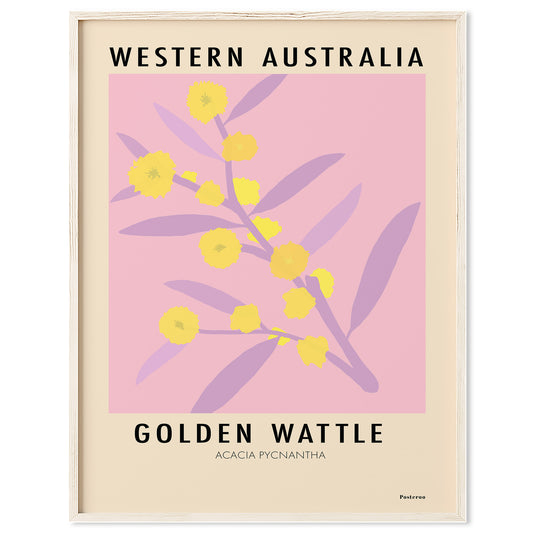
One of the most recognisable natural signals of Djilba is the flowering of the Golden Wattle (Acacia pycnantha), Australia’s national floral emblem. The bright yellow blossoms stand out against the winter-green landscape, forming clusters of small, fluffy flowers that attract insects and birds. The scent of wattle drifting through the bush is often one of the first reminders that spring is approaching.
Djilba is also a time when many animals begin their breeding cycles. Birds become more active as they start building nests, while reptiles slowly re-emerge during warmer parts of the day. Insects become more abundant, creating an important food source for birds and other wildlife. These subtle changes signal the increasing productivity of the land as it moves toward the warmer seasons.
Across the south-west, Djilba is also the beginning of the region’s famous wildflower season. Early blooms such as native orchids, blue leschenaultia and yellow acacias begin appearing in bushland and along coastal heathlands. The south-west of Western Australia is recognised as one of the world’s most biodiverse regions, and Djilba marks the early stages of the extraordinary colour and life that define the spring landscape.
For thousands of years, the Noongar people have used the signs of Djilba to guide their movements and activities on Country. Knowledge of seasonal cycles helped determine when certain foods would be available, when animals would be most active and when particular plants could be gathered for medicine or materials. This ecological understanding reflects a deep and ongoing relationship with the land.
Today, learning about the Noongar six seasons provides a different way of seeing the Australian environment. Djilba reminds us that seasonal change is not simply a date on a calendar. It is written across the landscape, in the flowering of golden wattle, the return of birds and the subtle shift toward warmer, brighter days across Country.