
The Noongar Six Seasons: Reading Country Through Nature
For tens of thousands of years, the Noongar people of south-west Western Australia have understood time not by dates on a calendar, but by reading the land itself. The flowering of certain plants, the arrival of birds, the movement of animals and the direction of the wind all signal subtle but meaningful change. Rather than dividing the year into four seasons, the Noongar recognise six distinct seasons, each defined by ecological shifts and deep knowledge of Country.
These seasons are not fixed to exact start and end dates but rather respond to environmental cues.
Birak (December – January)
Season of the Young
Birak marks the beginning of the hot, dry period as the rains ease and easterly winds arrive in the mornings. The land begins to harden under the summer sun, and water sources slowly shrink. During this time, the Noongar people traditionally practised cool, controlled mosaic burning which is a sophisticated land management technique that encouraged fresh growth, reduced fuel loads and supported biodiversity.
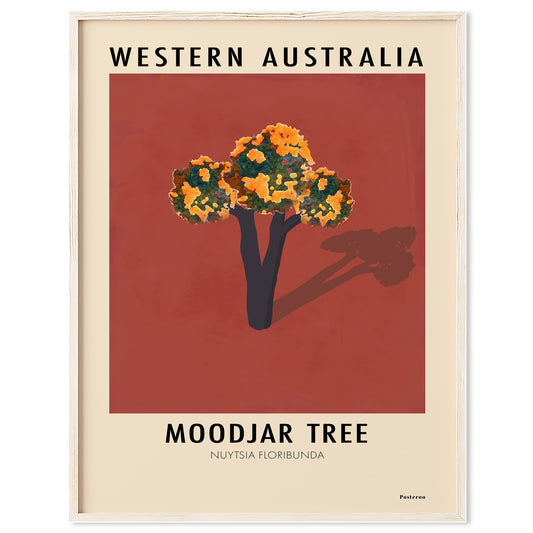
Across the landscape, the brilliant red blossoms of the Moodjar, or Western Australian Christmas Tree (Nuytsia floribunda), flare brightly against the dry bush, becoming one of the most recognisable signs of the season. Jarrah trees shed bark, and young animals begin exploring further from shelter. Birak is not simply a time of heat; it is a season shaped by careful stewardship and renewal through fire.
Bunuru (February – March)
Season of Adolescence
Bunuru is often the hottest part of the year, marked by minimal rainfall and intense dry heat. Coastal breezes provide relief, and marine environments become especially important as inland water sources decline. Estuaries and coastal waters offer reliable food.
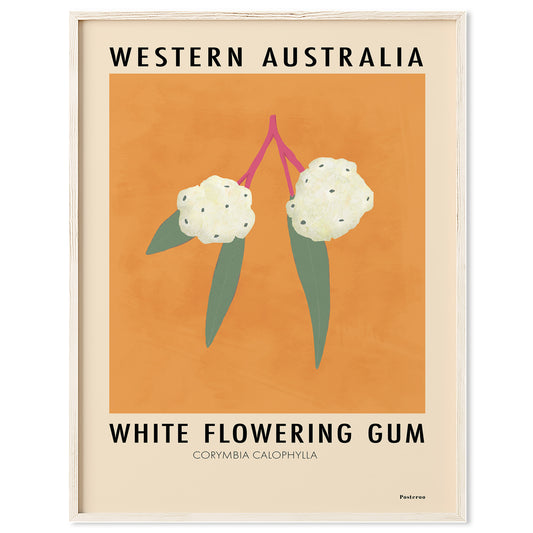
Despite the heat, colour persists across the landscape. The rich orange flowers of the Western Australian Coral Tree and the vivid purple tones of Summer Flame stand out boldly. Marri trees begin to flower, their creamy white blossoms attracting birds and insects. Bunuru speaks to resilience and life continuing to flourish even under the harshest summer conditions.
Djeran (April – May)
Season of Adulthood
Djeran signals a shift toward cooler conditions, bringing dewy mornings and softer evenings. Winds change direction, often carrying cooler southerly breezes. The intensity of summer begins to fade, replaced by a more subdued palette across the bush.
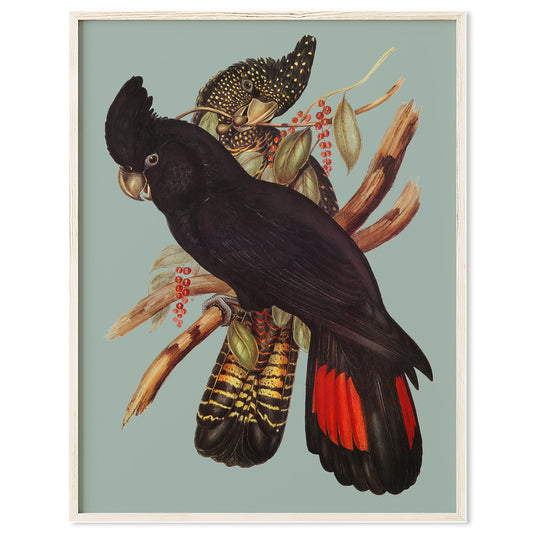
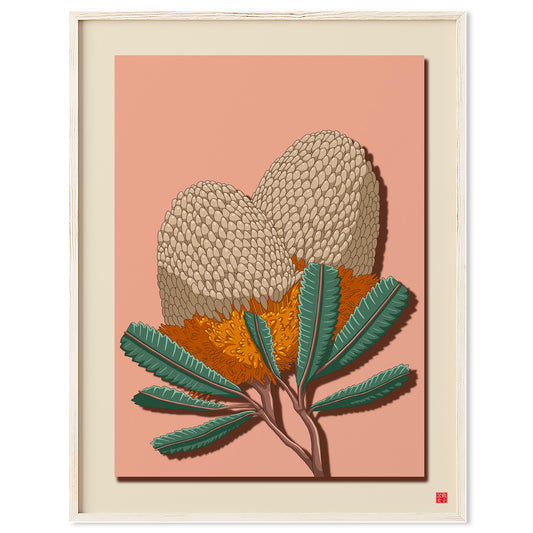
Seeds mature and fall during this period. Banksia cones release their seeds, and Sheoak trees drop their fine cones, providing food for birds such as black cockatoos. Djeran is a time of preparation and transition. Historically, it was a period for moving camps, managing food sources and maintaining pathways.
Makuru (June – July)
Season of Fertility
Makuru is the coldest and wettest season, characterised by powerful south-westerly storms and consistent rainfall. Rivers swell, wetlands refill and the earth becomes saturated. While the skies may be grey, Makuru is deeply connected to fertility and renewal.
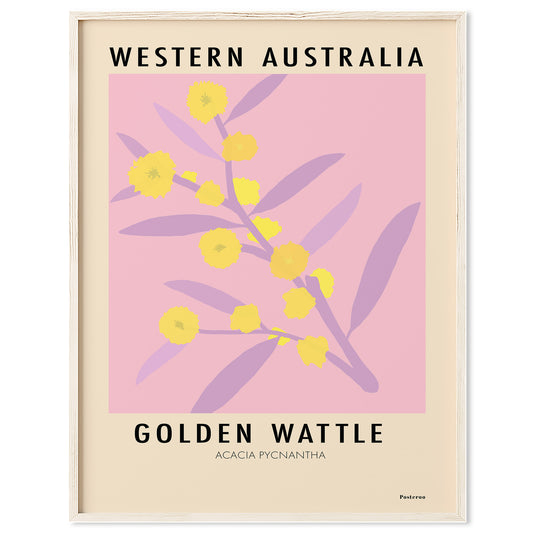
Paperbark trees (Melaleuca) bloom along waterways, their pale flowers brightening the damp landscape. Golden Wattle begins to appear, bringing warmth of colour to winter days, and delicate native orchids quietly emerge in sheltered areas. Many animals breed during Makuru, taking advantage of the abundance of water and fresh growth.
Djilba (August – September)
Season of Conception
Djilba is a time of contrasts, when cold mornings give way to increasingly warmer days. The landscape begins to shift dramatically as wildflower season takes hold. Colour returns in abundance, signalling the approach of spring.
Kangaroo Paw (Anigozanthos manglesii) rises with its striking red and green velvet-like flowers, while vivid Blue Leschenaultia and carpets of everlastings transform open spaces. Birdlife becomes more active as nesting begins, and reptiles cautiously re-emerge during warmer spells. Djilba carries a sense of anticipation and visible awakening, as Country stirs with renewed energy.
Kambarang (October – November)
Season of Birth
Kambarang represents abundance and growth, as warmer temperatures settle in and biodiversity peaks. The bush bursts into vibrant colour, with pink Trigger Plants, bright yellow Wattles and clusters of delicate Geraldton Wax creating a rich tapestry across the landscape.
Reptiles are fully active, young animals are visible, and pollinators move busily between blossoms. It is a season defined by vitality and movement, when the land feels alive with possibility. Kambarang is the final flourish before the return of Birak’s dry heat, completing the continuous cycle.
The Noongar six seasons reflect a profound ecological intelligence built over tens of thousands of years.
For the Noongar people, this knowledge is more than environmental awareness, it is a sacred relationship with Country. It represents responsibility, reciprocity and care for the land. By observing what is flowering, which birds have arrived, and how the wind shifts, we begin to see the landscape not as scenery, but as a living story and one that continues to unfold with each changing season.